Marsa Alam Snorkeling
Dive Site Guide

Marsa Alam Diving Spots

Marsa Alam's coastline delivers shore-accessible house reefs and offshore walls that rank among the Red Sea's most biodiverse. This guide covers site access, marine park logistics, and which reefs match your certification level.

7 min read Updated 2026-09-30 Fact-checked
Marsa Alam Diving Spots

Quick answer

Marsa Alam diving spots include shore-accessible house reefs open 08:00–18:00 daily and offshore sites like Elphinstone Reef requiring boat transfer. Most sites charge a 25 EGP marine park conservation fee per person, though rates vary by zone. Northern sites see calmer conditions October through May, while southern reefs remain diveable year-round with occasional summer swells.

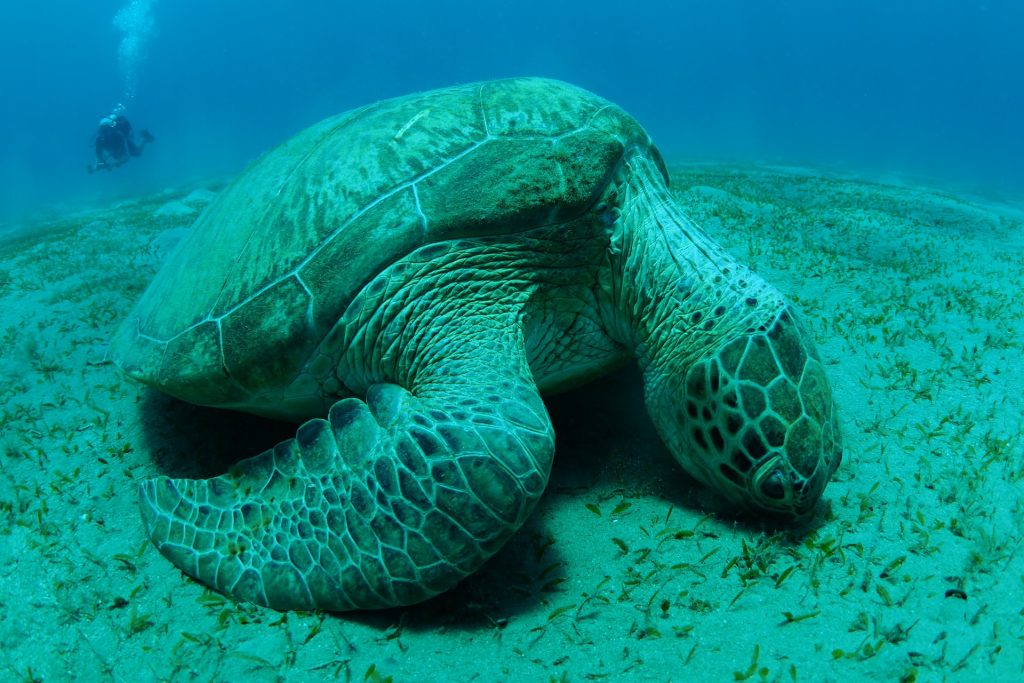
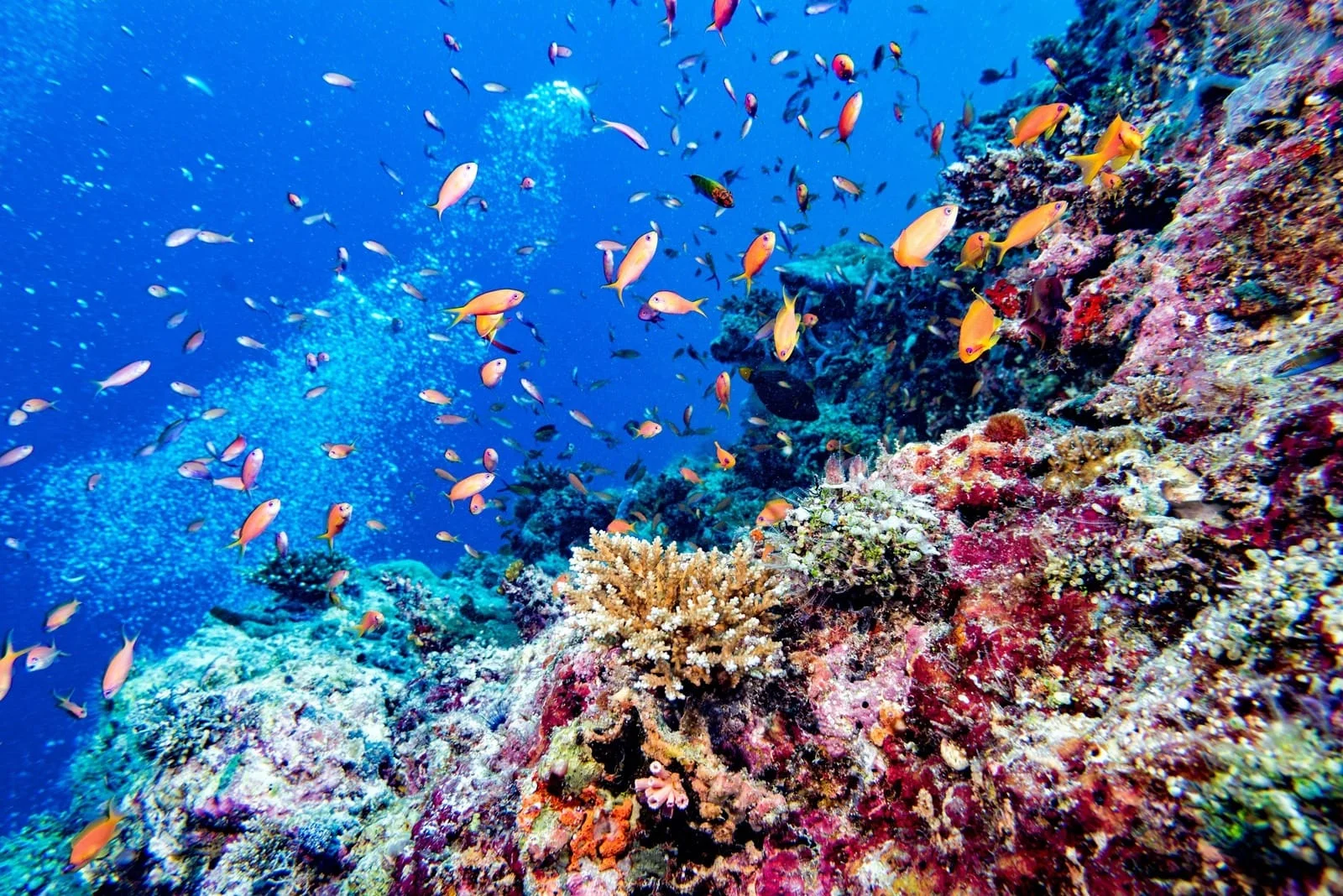
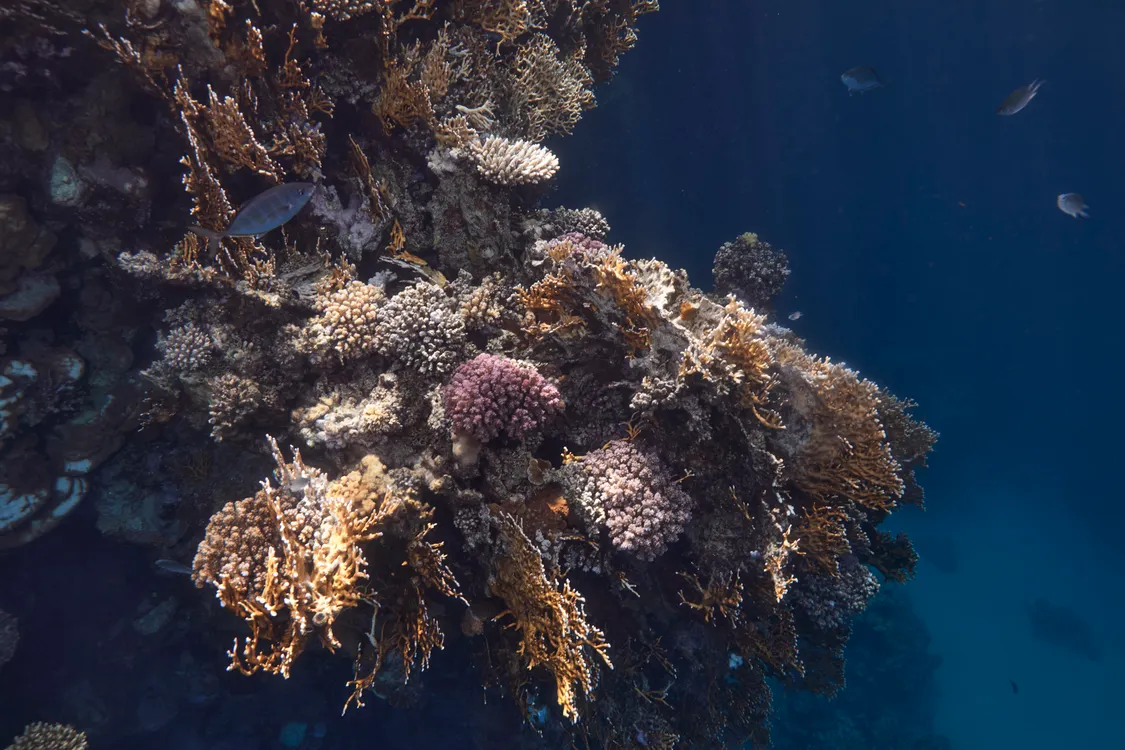
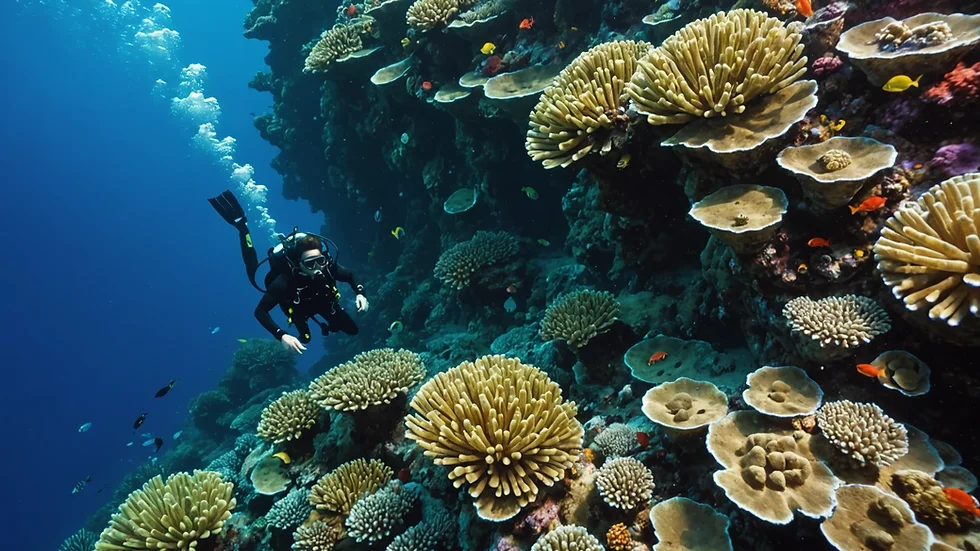
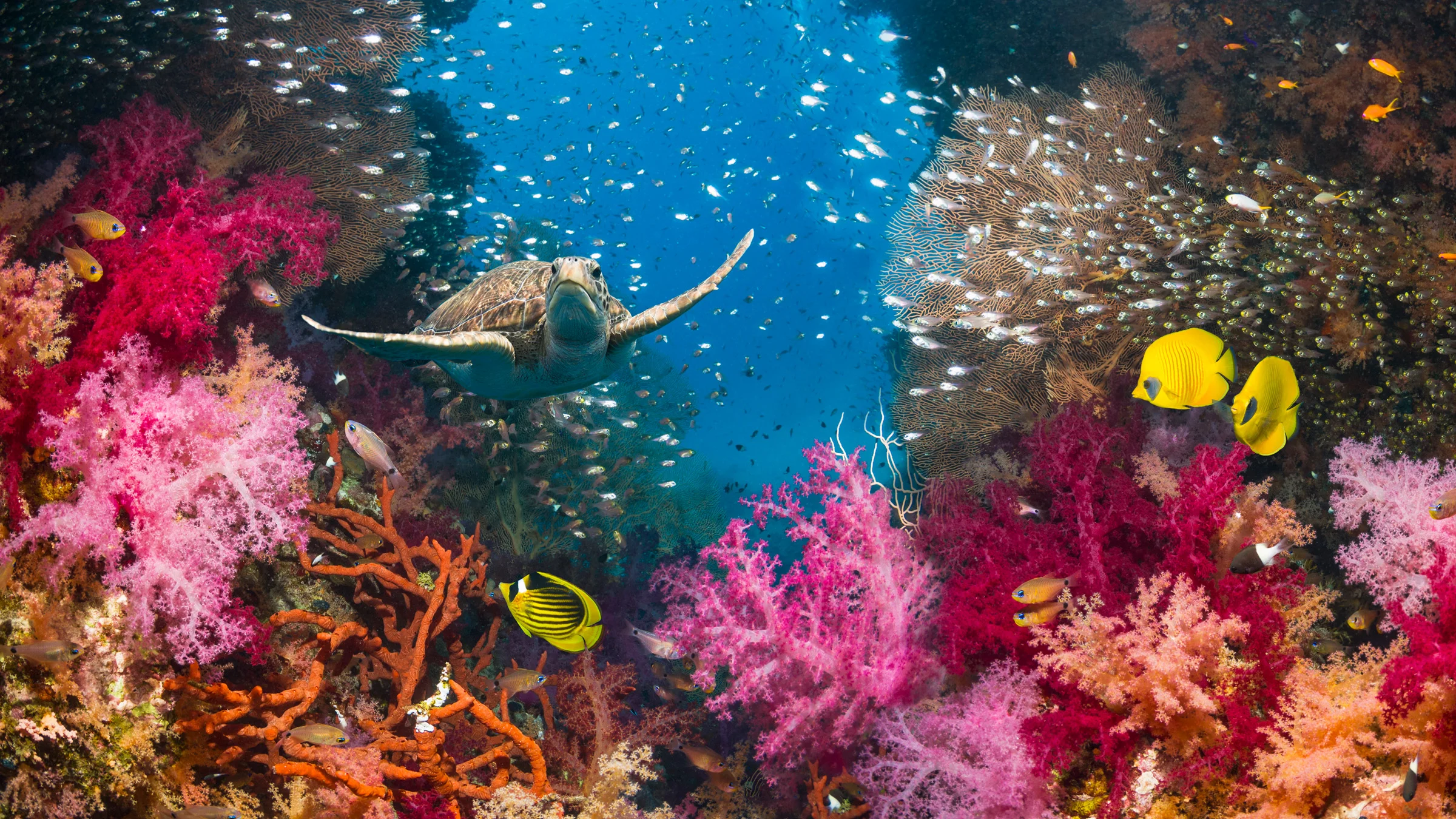
Marsa Alam sits on a 70-kilometer stretch of Red Sea coast where fringing reefs meet vertical drop-offs less than 50 meters from shore. The region's shallow bays and deep walls support over 1,200 fish species and some of the healthiest hard coral formations in Egyptian waters. The house reefs at Abu Dabbab and Marsa Mubarak offer entry-level shore dives with resident green turtles and dugong sightings in seagrass meadows between coral heads. These bays require basic Open Water certification and provide drift-free conditions suitable for check-out dives and macro photography. Elphinstone Reef, 12 kilometers offshore, draws advanced divers to its sheer walls where hammerhead sharks patrol the northern plateau during autumn months and oceanic whitetips cruise the southern drop-off. The site demands Advanced Open Water certification and strong buoyancy control due to variable currents and depth profiles exceeding 40 meters. Dolphin House (Sha'ab Samadai) operates under reef protection protocols that limit daily diver numbers and designate no-entry zones for spinner dolphin pods. The horseshoe-shaped reef encloses a shallow lagoon where snorkelers and divers share space with the resident pod, though interaction depends on the dolphins' behavior rather than guaranteed encounters. Zabargad Island and Rocky Island, further south near the Sudanese border, require liveaboard access and offer wreck diving on the SS Hamada, a cargo ship resting at 28 meters with intact hull structure and resident crocodilefish. Site access through registered dive centers ensures adherence to marine park regulations and provides emergency oxygen and evacuation support. Most operators include conservation fees in package rates and brief divers on coral-safe finning techniques before entry. Peak visibility occurs early morning before afternoon winds stir surface layers, making the 08:00–11:00 window ideal for photography and wide-angle reef surveys.

“Marsa Alam's fringing reefs meet vertical drop-offs less than 50 meters from shore, compressing deep-water marine life into shore-accessible dive profiles.”
Timing

Best Time to Visit Marsa Alam Diving Spots

The best arrival window for diving spots in Marsa Alam is 08:00–11:00 to minimize wind-driven surface chop and avoid midday crowds. Planning your dives during this period ensures optimal water clarity and calmer sea conditions.

Daily Schedule

Low until 11:00

—

Plan arrival for 08:00–11:00 to ensure high visibility before afternoon winds increase.

Spring (April–May)

Moderate

24°C–30°C. Mild temperatures with stable seas.

These months provide comfortable water temperatures and lower wind speeds for boat excursions.

Autumn (September–October)

Moderate

26°C–31°C. Warm water and calm conditions.

Water remains warm from summer, offering high visibility and manageable surface conditions.

Verdict: The best time to visit is during April or October, arriving between 08:00 and 11:00 to capitalize on calm morning waters.

What to see

Notable Marsa Alam Diving Spots and Reef Systems

Marsa Alam offers diverse marine topography ranging from sheltered coastal bays to exposed offshore reef systems. These sites provide varied habitats for pelagic species and complex coral structures.

Elphinstone Reef

Elphinstone Reef

A legendary offshore reef known for its steep walls dropping into deep water and frequent sightings of oceanic whitetip sharks. Currents can be strong, making this site suitable for experienced divers.

Check current strength before entry; stick close to the wall.
Samadai Reef

Samadai Reef

Also known as Dolphin House, this horseshoe-shaped reef features a shallow lagoon that serves as a resting place for spinner dolphins. The outer reef offers coral gardens with high biodiversity.

Enter the outer reef area early to avoid boat traffic.

Abu Dabbab

Abu Dabbab

A sandy-bottomed bay famous for its resident population of dugongs and giant green sea turtles. The seagrass meadows are the primary attraction for these marine herbivores.

Scan the seagrass beds slowly for grazing sea turtles.

Shaab Samadai

Shaab Samadai

A complex reef system with a sheltered lagoon and various diving points containing swim-throughs and caves. The site supports diverse reef fish populations and healthy hard coral formations.

Explore the northern caves for unique light penetration effects.

Opening hours

Daily Operational Hours for Marsa Alam Diving Spots

Diving sites in Marsa Alam are open daily to accommodate visitors planning underwater excursions throughout the week.

Monday
08:00–18:00
Tuesday
08:00–18:00
Wednesday
08:00–18:00
Thursday
08:00–18:00
Friday
08:00–18:00
Saturday
08:00–18:00
Sunday
08:00–18:00
Operations conclude daily at 18:00.
Directions

How to Reach Marsa Alam Diving Spots

Marsa Alam serves as the central hub for accessing Red Sea diving sites, with coastal reefs reachable by vehicle and offshore locations accessed via boat from local marinas. Visitors should plan their transit through the main Marsa Alam coastal road network.

Car 30–60 min —

Rental vehicle via Highway 75 to local jetty access points

Taxi 20–40 min —

Private hire from Marsa Alam town center to Port Ghalib

Boat 60–120 min —

Departure from Port Ghalib or Hamata harbor for offshore sites

Plan your arrival to the dive center or harbor between 08:00–11:00 to avoid mid-day crowds and ensure best visibility before afternoon winds.

Book

Check availability

Frequently asked

Frequently asked questions about marsa alam diving spots

Everything you need to know about marsa alam diving spots

What makes marsa alam diving spots unique in the Red Sea?

The diverse marine life and healthy coral formations characterize these marsa alam diving spots, offering a pristine experience for underwater enthusiasts. You can expect to encounter sea turtles, dugongs, and vibrant reef fish throughout the Red Sea coastal region.

When is the best time to visit top underwater sites?

The best arrival window is 08:00–11:00 to avoid mid-day crowds and ensure best visibility before afternoon winds. Visiting early also helps you maximize your time in the water before sea conditions change.

Is there an entrance fee for exploring the local coral reefs?

Accessing certain marine parks requires an entrance fee of 25 EGP per person, which serves as a conservation contribution. Please note that this fee varies by site and is typically collected at the entry point of the protected area.

Are these Red Sea locations suitable for beginner divers?

Many local shore dives and boat trips offer calm conditions perfect for those new to the sport. Qualified instructors are available at various centers to guide visitors through these underwater attractions safely.

What equipment should I bring for scuba diving in Marsa Alam?

Bringing your own mask, snorkel, and fins can provide more comfort, though full gear rental is widely available at local dive shops. Ensure your certification card is current if you plan on participating in deeper scuba activities.

Do I need to book my underwater excursions in advance?

While walk-ins are possible, booking your excursions ahead of time ensures availability during peak periods. This practice helps organizers prepare logistics for your preferred Red Sea dive sites efficiently.

How do I reach the most popular diving locations in the area?

Most sites are accessible via organized boat trips or short shore walks depending on your chosen location. The region is well-serviced by local transport operators that connect major hotels to the primary coastline access points.

Keep reading

More guides & pages